



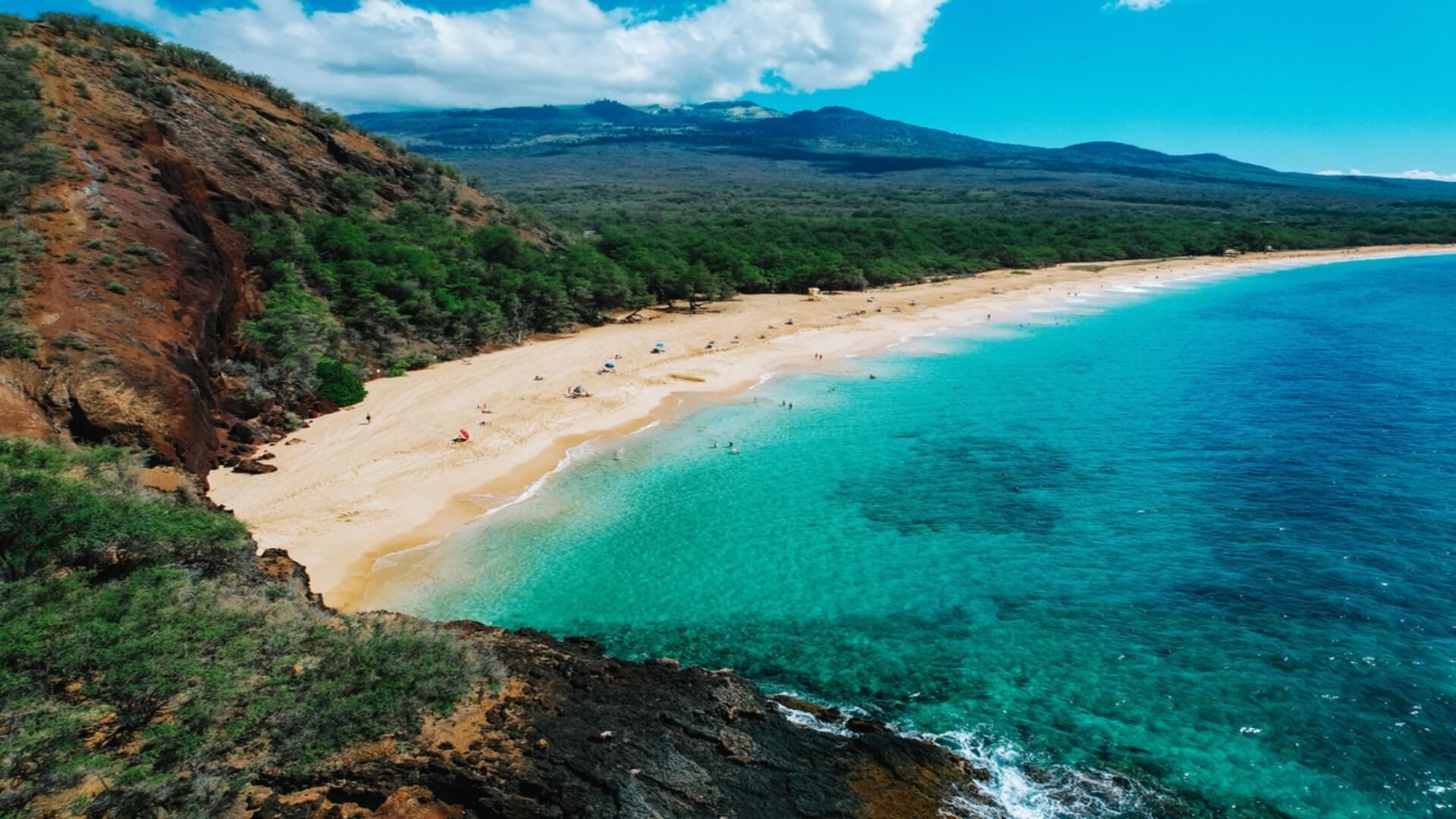
Maui’s weather is inviting nearly every day of the year. Still, each season has its own personality, and knowing what to expect helps you choose the right time to visit and the right activities to plan. Parrish Maui is happy to walk you through the island’s weather by season.
What Is the Weather in Maui Like Year-Round?
Maui has a warm tropical climate, and coastal highs typically range from the upper 70s to the upper 80s. Hawaii has two main seasons: a drier, warmer stretch from May through October and a cooler, wetter stretch from November through April. Trade winds keep the air comfortable, and ocean temperatures rarely fall below the mid-70s.
Keep in mind that Maui has many microclimates. Rainfall can vary widely between the windward and leeward sides of the island, and the summit of Haleakala is often chilly. For current conditions during your stay, check the National Weather Service forecast for Hawaii.
What Is Maui Weather Like in Summer?
Summer, from June through August, is the driest and sunniest season. Expect highs in the upper 80s, lows in the low 70s, and steady trade winds that take the edge off the heat. Seas along the West Maui coast are typically calm, which makes this an ideal time for snorkeling, paddle boarding, and sunset sails.
Summer is also popular with families, so book early. Pack reef-safe sunscreen, a hat, and light, breathable clothing.
What Is Maui Weather Like in Fall?
Fall, from September through November, is a favorite among repeat visitors. Highs stay in the mid-to-upper 80s, and the ocean reaches its warmest temperatures of the year, often near 80 degrees. Crowds thin out after Labor Day, giving beaches and restaurants a more relaxed feel.
Showers begin to return in late fall, though they tend to be brief. Hurricane season in the Central Pacific runs through November, but direct impacts on Maui are rare.
What Is Maui Weather Like in Winter?
Winter, from December through February, brings cooler days with highs from the upper 70s to the low 80s and evenings in the 60s. Rain showers are more frequent, especially on the windward side, but they usually pass quickly and often leave a rainbow behind. North-facing shores can see large surf, so always check ocean conditions before entering the water.
Winter is also whale season. Humpback whales migrate to Maui, and you can often spot them from shore. Bring a light jacket for evenings, and pack layers if you plan to catch sunrise at Haleakala National Park.
What Is Maui Weather Like in Spring?
Spring, from March through May, is a sweet spot. Rainfall tapers off, temperatures climb into the low to mid 80s, and the ocean calms. Whale sightings remain common in March and often continue into April.
Trails are green and comfortable for walking, so it is a fine time to explore Maui hiking trails. Golfers will also appreciate the mild days at the Kapalua golf courses.
When Is the Best Time to Visit Maui for Good Weather?
The answer depends on what you want from your trip:
- Sunniest and driest days: May through September
- Warmest ocean and fewer crowds: September and October
- Whale watching: December through March
Truly, there is no bad time to visit. Even in the wetter months, most days bring plenty of sunshine, but if you need to escape the rain, check out our rainy day activities blog.
Where Can You Enjoy the Best Weather in Maui?
For many, the answer is West Maui. Kapalua, Kaanapali, and Alaeloa sit on the leeward side of the island, where the West Maui Mountains help block much of the trade-wind rain. The result is more sunshine and more beach days than you will find in many other parts of Maui.
Parrish Kauai’s West Maui vacation rentals let you enjoy that weather in comfort. Each Maui villa offers the privacy of home with resort-style amenities, including pools, tennis courts, full kitchens, and private lanais. Browse our villas and reserve your stay online, or call us at 877-854-9070 for help planning your trip.